
What decides the price of a post-construction clean
Elite House Cleaning quotes post-construction work job by job across the Sacramento area, because the dust level decides the work more than the square footage does. The quote depends on project size, how much dust and debris is left, the room count, which stage you need — rough, final, or touch-up — and your deadline. It is a flat rate, given free before work starts, with no trip fee.
For a planning number, national data puts a basic post-construction visit near $203–$285 (Thumbtack). New construction, heavy debris, or a rushed listing deadline sit outside that range.
Key takeaways
- Treat the online range as a screen; dust level and access decide the real quote.
- Ask which phase you are buying. Rough, final, and touch-up cleans are different jobs.
- Square footage helps, but it misses cabinet dust, glass film, labels, and floor edges.
- Flag older painted surfaces before anyone disturbs dust; pre-1978 homes can trigger lead-safe rules.
Why the cleaning cost moves after a remodel
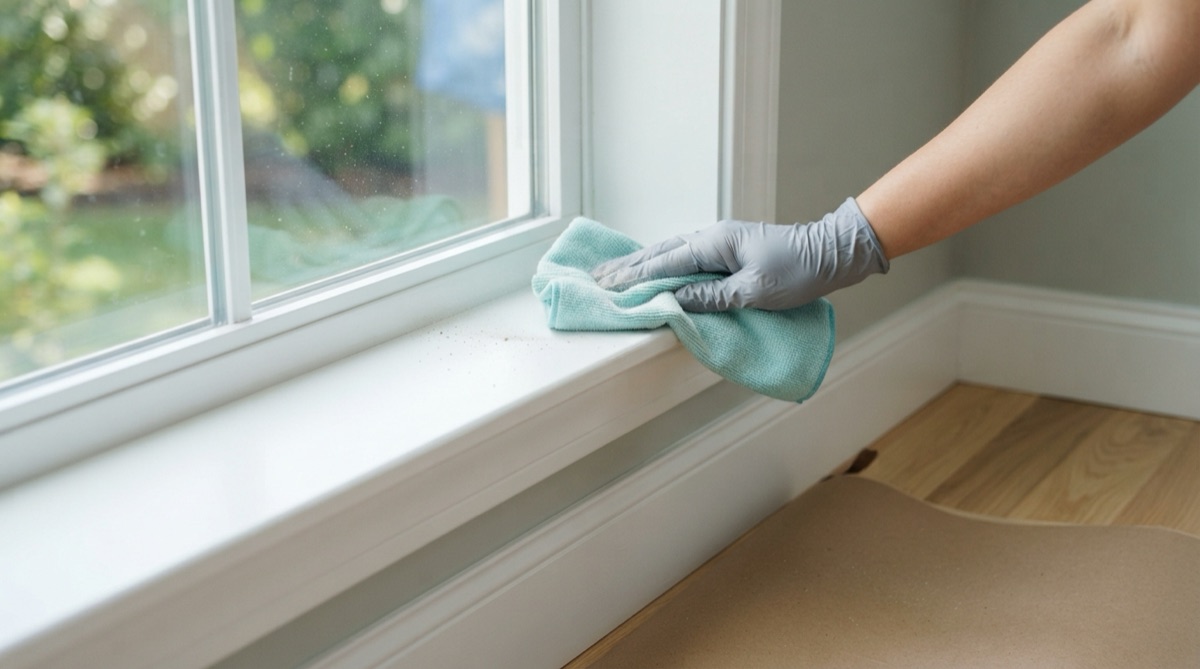
The cost of post construction cleaning changes because construction dust spreads farther than the work zone. Sawing, sanding, tile work, drywall repair, and cabinet installs can leave powder on baseboards, shelves, vents, closet rods, door tops, and window tracks. A room may look finished from the doorway and still leave gray dust on a white cloth.
Scope matters more than the project name. A small bathroom update may need careful tile haze removal, glass cleaning, fixture polishing, and floor detail. A larger but cleaner flooring project may need more vacuuming and mopping, but less slow hand work.
In Rocklin, Roseville, and nearby Sacramento homes, open windows during work let outdoor grit and pollen mix into the construction dust. New shower glass can also show hard-water marks before anyone moves back in.
What a final clean usually checks
A post-work final clean is a detail pass after contractors remove tools and large debris. The team is looking for the dust and residue that make a finished room feel unfinished. On these jobs the surprise is almost never the floors — it is the second wave of fine dust that settles overnight after the first wipe-down, which is why good crews plan two passes on horizontal surfaces. Flag new stone, wood, paint, and appliance finishes in advance so products can be matched to them.
| Area | What gets checked | What can change the quote |
|---|---|---|
| Floors and edges | Vacuuming, mopping, baseboard dust, corners | Paint specks, grout haze, adhesive, floor protection marks |
| Kitchen | Counters, cabinet fronts, sink, fixture shine, appliance exteriors | Inside cabinets, inside oven or fridge, label removal |
| Bathrooms | Tile dust, fixtures, mirrors, glass, counters, toilet, floors | Hard-water spots, grout haze, new shower glass |
| Windows and tracks | Interior glass, sills, ledges, loose dust in tracks | Tall windows, paint on glass, screens, exterior glass |
| High dust | Door tops, shelves, vents, light fixtures, closet rods | Ladders, delicate fixtures, heavy dust from sanding |
For add-on planning, HomeGuide lists house-cleaning rates at $25-$75 per worker hour, deep cleaning at $0.11-$0.30 per square foot, move-out cleaning at $0.22-$0.33 per square foot, interior window cleaning at $4-$7 per window, cabinet interiors at $25-$45+, and oven interiors at $15-$35. Those numbers help compare scopes, but a construction cleanup still needs a room-specific estimate.
Rough, final, and touch-up cleans are separate
The rough clean happens while the project is still active. It removes loose debris, packaging, dust piles, and trash paths so workers can keep moving safely. Homeowners often think of this as contractor cleanup.
The final clean happens after dusty work is done. That is the cleaning most people mean when they want the home ready for photos, showings, move-in, or a final walkthrough. It focuses on dust removal, surface wiping, floor detail, glass, bathrooms, kitchen surfaces, and touch points.
The touch-up clean is smaller. It handles the dust that settles after the first pass or after a contractor returns for punch-list work. If painters, flooring crews, or cabinet installers come back after the final clean, plan for this extra step.
For a whole-home reset after remodeling, compare the scope with our deep cleaning cost guide. If the property will be empty before furniture comes in, the move-in cleaning guide gives a good room-by-room checklist.
Dust, moisture, and disinfecting need different handling
Post-construction cleaning should not treat all residue the same way. Dry dust needs capture and removal. Wet areas need drying. Germ concerns need cleaning first, then disinfecting only when the situation calls for it.
Homes built before 1978 need extra care if renovation disturbed painted surfaces. EPA lead guidance says paid work in pre-1978 housing and child-occupied facilities can fall under lead-safe renovation rules, and minor repair limits are six square feet indoors per room or 20 square feet outdoors. If there is any chance of lead dust, stop and ask the contractor what was tested and what cleanup method was used.
Moisture has its own rule. Wet or damp materials should be dried within 24-48 hours to help prevent mold growth, and visible mold over about 10 square feet is a reason to bring in experienced help (EPA). This matters after plumbing work, shower installs, flood cuts, or leaks found during a remodel.
Disinfecting is a later step. Normal construction dust does not need bleach. The CDC says cleaning with soap and water removes most germs in many home situations, and bleach should never be mixed with other cleaners or disinfectants.
How to ask for a fair quote
Send photos before you ask for a number. Show the floors, counters, bathrooms, window tracks, cabinet interiors if needed, and any problem spots. Also say whether the contractor has removed trash, plastic, tape, stickers, paint cans, and scrap material.
Be clear about the deadline. A listing clean, a buyer walkthrough, and a family move-in all have different pressure. If a property is going on the market, real estate cleaning may need photo-ready glass, fixtures, and floors. If the work is tied to a lease or turnover, move-in and move-out cleaning may be the better service fit.
Ask these questions before booking:
- Is this a rough clean, final clean, touch-up clean, or all three?
- Are interior windows, tracks, cabinets, appliances, walls, or garage areas included?
- Who removes contractor debris before the cleaning team arrives?
- Are photos enough for the estimate, or is a walkthrough needed?
- What surfaces need special care?
The best quote names the rooms, the phase, the add-ons, and the exclusions. A low number that skips windows, cabinet interiors, or contractor residue is hard to compare.
Plan the clean after the dusty work
Book the final clean after sanding, cutting, drilling, paint touch-ups, floor work, and cabinet work are done. If one trade still needs to come back, schedule the main clean after that visit or save time for a touch-up. Dust will keep moving while tools are still in the home.
Before the cleaners arrive, ask the contractor to remove large debris, nails, screws, tape rolls, drop cloths, and scrap materials. Open access to sinks, outlets, water, and the rooms that need work. Leave notes for delicate stone, new wood, fresh paint, stainless steel, or glass coatings.
Construction dust has a way of showing up after the contractor has packed the truck. Our post-construction cleaning service is built for exactly that handoff — request a walkthrough estimate for your Rocklin-area remodel, listing, or move-in.