
Quick answer: match the clean to the build stage
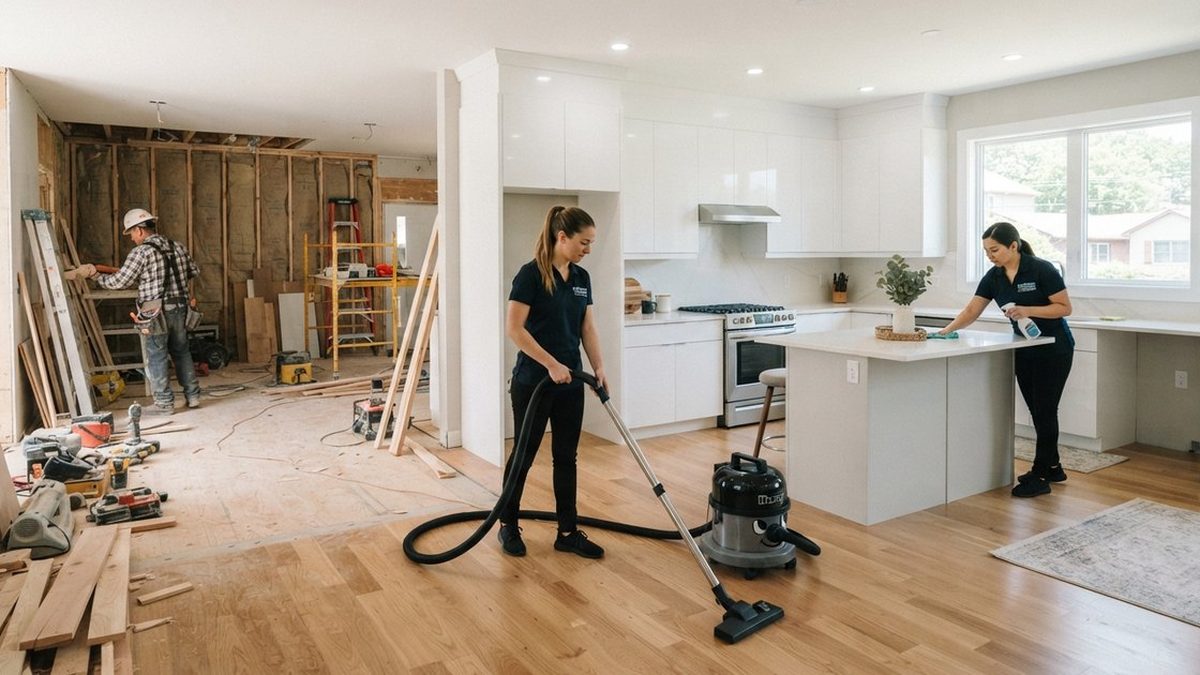
Post construction cleaning has 3 levels: rough, final, and touch-up. A rough clean controls loose debris and heavy dust while the site is active. A final clean makes finished rooms ready for inspection, photos, or move-in. A touch-up clean catches dust and marks that appear after the final clean.
Most projects do not need equal work at every stage. A new home may use all 3 levels. A kitchen remodel may need only final and touch-up cleaning. A 2-3 bathroom final clean often takes 4-6 hours. Full-home post-construction cleans often run 6-10 hours. Room size, dust, and included surfaces can change those ranges.
The full post-construction cleaning service explains the handoff used by Elite House Cleaning. The Rocklin team also serves Roseville, Sacramento, Folsom, Granite Bay, and 24 other area cities.
Key takeaways
- Book a rough clean while the site still has active work, debris, and dust paths.
- Book a final clean after dusty work, tool use, and major punch-list repairs end.
- Add a touch-up clean when dust has time to settle or trades return after the final pass.
- Expect fine dust to resettle for 1-2 weeks after the construction crew leaves.
- Have the contractor remove large debris and unsafe waste before detail cleaning starts.
- Name delicate finishes, cabinet interiors, glass, tracks, and appliance interiors in the scope.
- For budget planning, see the current cleaning service pricing page and request a free flat-rate quote at (916) 407-1010.
What is post construction cleaning?
Post construction cleaning removes dust, grit, labels, smudges, and light job-site residue. It is not the same as weekly house cleaning. Drywall and joint-compound dust can reach many hidden points. Common examples include door tops, vents, cabinet corners, window tracks, and closet rods. Baseboards, light fixtures, outlet covers, and floor edges also collect it.
The work also changes as a project moves forward. Early cleaning keeps paths and work areas usable. Later cleaning protects new finishes and makes small flaws easier to spot. The last pass deals with dust that moved through the air or came from a late repair.
Large contractor waste is separate unless the quote says otherwise. The contractor should handle scrap lumber, broken tile, drywall chunks, nails, and chemical containers. Cleaners need working water, power, lights, and safe access before detail work begins.
Level 1: rough construction cleaning
A rough clean follows framing, drywall, or major installation work. The space is not ready for finish-level detail. This first level controls loose material and dust on active work paths.
The exact scope depends on the site, but a rough construction clean may include:
- Gathering approved light debris and packaging
- Removing loose dust from open floors and reachable surfaces
- Vacuuming edges, corners, and work paths
- Wiping broad horizontal surfaces when safe
- Clearing labels or protective film listed in the scope
- Leaving rooms open for the next trade or inspection
A rough clean does not make the space move-in ready. Cabinet interiors may still be dusty. Glass may still show film. Fixtures, trim, and floor edges may need more work after installers leave.
Schedule this level when debris and heavy dust slow the job. It can prepare rooms for painters, flooring crews, cabinet installers, or inspectors. Wait until active cutting, grinding, drilling, and sanding stop. New dust would cover cleaned areas at once. Review OSHA construction silica guidance when concrete, mortar, brick, block, or stone created the dust.
Level 2: final construction cleaning
A final clean begins after construction allows detailed surface work. Tools, ladders, floor protection, and large debris should be gone. Sanding, drilling, sawing, and major paint repairs should be finished. A 2-3 bathroom home often needs 4-6 hours. A full home often needs 6-10 hours.
The final construction cleaning service focuses on what a person will see and touch during a walkthrough:
- High and low dust on trim, ledges, doors, shelves, and fixtures
- Cabinet fronts, accessible interiors, drawers, and toe kicks in the agreed scope
- Counters, backsplashes, sinks, faucets, tubs, toilets, and shower surfaces
- Interior glass, mirrors, sills, and window tracks listed in the quote
- Appliance exteriors and accessible finished surfaces
- Baseboards, floor edges, corners, vacuuming, and damp mopping
- Smudges, fingerprints, light labels, and safe-to-remove residue
Fine dust needs more than one fast wipe. Work high to low and dry to damp. First, capture loose particles with a HEPA vacuum. Then lift the remaining film with a damp microfiber cloth. Fold the cloth to expose clean faces instead of spreading gray residue.
New surfaces need care. Stone, hardwood, stainless steel, fresh paint, coated glass, and specialty tile can react badly to the wrong tool or product. Share finish and care notes before the visit. When the material is unknown, the safer choice is to test a small hidden area and use the least aggressive method that works.
Level 3: touch-up construction cleaning
A touch-up clean is the third and last pass. Fine dust can resettle for 1-2 weeks after crews leave. Inspectors, movers, or a short punch-list repair can also mark finished rooms.
The touch-up construction clean often checks:
- Counters, sills, shelves, cabinet faces, and other horizontal surfaces
- Interior glass, mirrors, fixtures, and appliance fronts
- Door handles, switches, rails, and other touch points
- Floor edges, open floors, entry paths, and corners
- Dust or marks near repaired areas
This visit is smaller when the site stays controlled. It can grow if trades sand, cut, drill, or move materials through finished rooms. Tell the team what changed so the scope matches the new mess.
Touch-up timing matters before move-in, listing photos, a buyer walkthrough, or owner handoff. Schedule it after the last inspector and contractor visit. Keep it close to the deadline to limit new foot traffic.
How the 3 levels fit a build timeline
The cleaning plan should follow the work, not a fixed calendar date. Use this order as a starting point:
| Project stage | Cleaning level | Main goal | Ready when |
|---|---|---|---|
| Major work is winding down | Rough clean | Control debris and heavy dust | Active cutting has paused and work paths are safe |
| Construction and major punch work are done | Final clean | Detail rooms and finished surfaces | Tools, coverings, and large waste are gone |
| Dust settles or a trade returns | Touch-up clean | Restore the finished result | The final repair and walkthrough traffic are over |
A full build may place several weeks between the 3 visits. A 1-room remodel may move from final to touch-up within days. Fine dust may still resettle for 1-2 weeks. Move the cleaning date whenever the build schedule changes.
Which levels does your project need?
Start with the condition of the site and the next event.
Choose a rough clean when loose debris, packaging, and heavy surface dust are in the way of ongoing work. Choose a final clean when construction is over and the property needs detailed cleaning. Choose a touch-up clean when the final pass is complete but settled dust, foot traffic, or a small repair has changed the result.
Common plans include:
- New home or whole-home remodel: rough as needed, final, then touch-up
- Kitchen or bathroom remodel: final clean, with touch-up if a trade returns
- Flooring or paint project: final clean after dust and fumes clear, then a small touch-up if needed
- Listing preparation: final clean after repairs, then touch-up before photos or showings
This same staging applies across Rocklin and Roseville. It also fits new-home work in Whitney Ranch and Fiddyment Farm. The project condition matters more than the development name.
Ask who owns each task. Contractors often remove job waste and protective coverings. Cleaners handle agreed dust and finish work. Some tasks may need separate approval due to time or surface risk. Examples include window scraping, paint, grout haze, adhesive, exterior glass, garages, and appliance interiors.
Before cleaners arrive, confirm that water, power, and lights work. Clear tools, materials, and personal items. List the room count and all returning trades. Name delicate stone, fresh paint, coated glass, hardwood, and specialty tile. The scope should state the booked level, included surfaces, and exclusions.
Plan the clean before the last contractor leaves
The best post construction cleaning plan has a clear handoff between trades and cleaners. Rough cleaning controls the active site. Final cleaning details the finished space. Touch-up cleaning protects the result after settling dust and late visits.
Elite House Cleaning is a woman-owned, insured and bonded company based in Rocklin, CA. Since 2015, the team has served 29 Sacramento-area cities with HEPA vacuums and eco-friendly, non-toxic products. To map the right cleaning levels for your project, call (916) 407-1010 or review the post-construction cleaning options.